
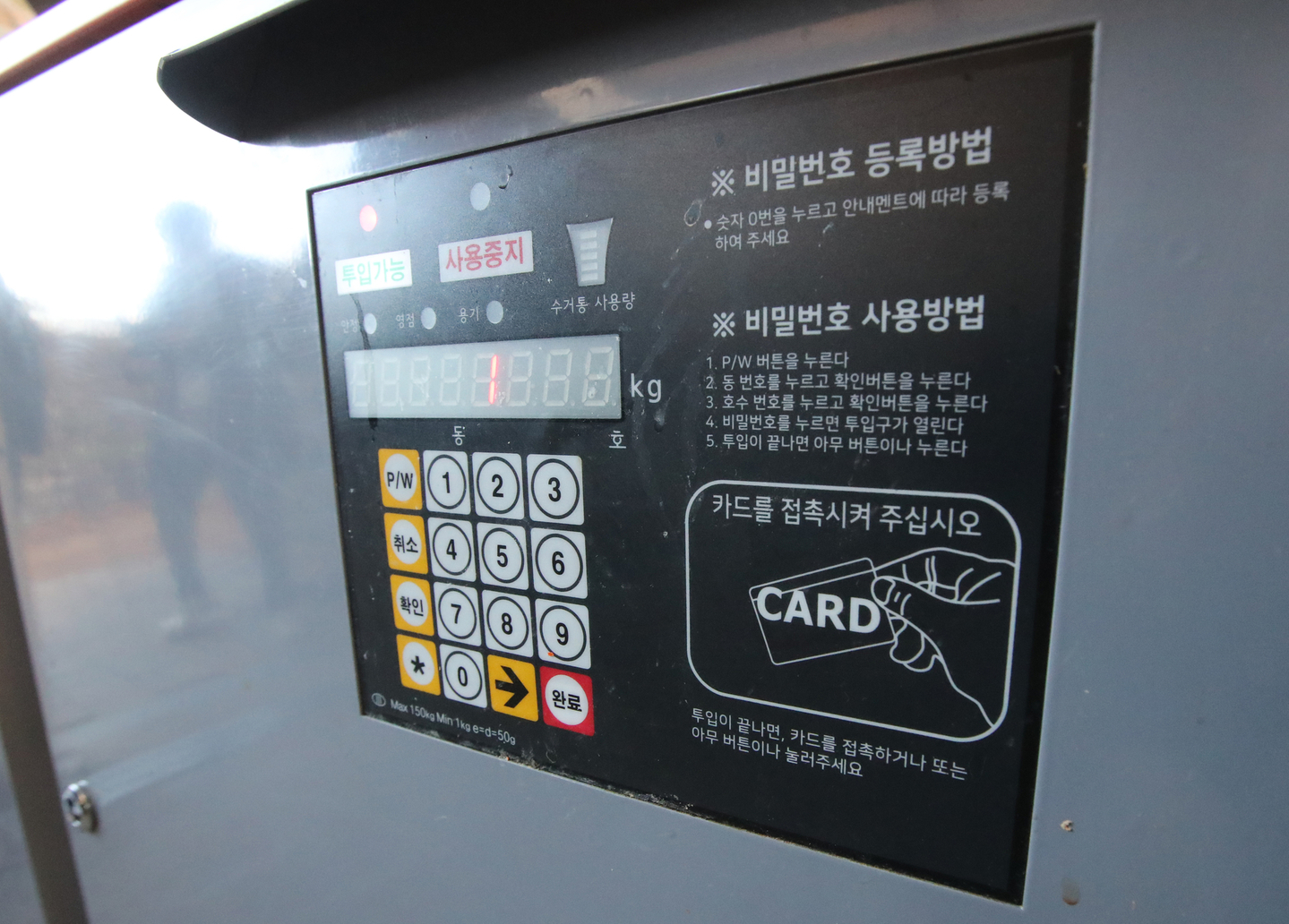
Seoul is preparing to launch a new RFID enabled food waste reduction points system, aimed at encouraging residents to cut down on food waste through measurable behaviour change and digital incentives. The initiative builds on South Korea’s long standing use of smart food waste infrastructure and represents a further step towards data driven environmental policy at city scale.
Under the scheme, residents will dispose of food waste using RFID equipped collection machines that identify individual households. These machines automatically measure the weight of food waste deposited and record it against the user’s account. From next year, this data will be used not only for billing and monitoring purposes but also to reward households that successfully reduce the amount of food waste they generate over time.
RFID technology is central to making this system viable at scale. By using RFID cards or tags to identify users, the city can accurately link waste volumes to specific households without relying on manual reporting. This ensures a high level of data accuracy while keeping the process simple for residents. The system operates automatically, reducing opportunities for error or misuse and enabling consistent data collection across thousands of residential locations.
The points based incentive model is designed to turn waste reduction into a positive, measurable outcome rather than a purely punitive cost. Households that demonstrate reductions in food waste are expected to earn points that can be redeemed for local benefits, such as discounts, services, or other civic rewards. This approach reflects a broader shift towards using digital engagement tools to influence everyday behaviour in urban environments.
Seoul already operates an extensive pay as you throw food waste system, where residents are charged based on the weight of food waste they dispose of. The addition of a rewards mechanism adds a new behavioural layer, encouraging not just compliance but active reduction. RFID enables this by providing reliable historical data, allowing the system to track trends and improvements at an individual household level.
From a municipal perspective, the benefits extend beyond citizen engagement. Food waste is expensive to process and has significant environmental impacts, including greenhouse gas emissions. By reducing volumes at source, the city can lower collection and processing costs while improving sustainability outcomes. RFID generated data also supports more efficient planning of waste collection routes and infrastructure investment.
The programme highlights how RFID can act as a foundation technology for smart city services. Rather than being limited to logistics or access control, RFID here is used as a citizen facing interface that connects everyday actions to digital systems and policy objectives. The ability to capture trusted data automatically makes it possible to design incentive schemes that would be impractical with manual systems.
Importantly, the system also raises considerations around data governance and public trust. Clear communication about how data is used, stored, and protected will be essential to ensure widespread acceptance. South Korea’s experience with similar systems suggests that transparency and ease of use are key to achieving long term adoption.
Seoul’s RFID based food waste reduction points system shows how RFID infrastructure can be extended beyond compliance into active behaviour change. By combining automated measurement with incentives, the city is using RFID not just to track waste, but to help reduce it in a measurable and scalable way.